Discover Beacon top Paving Contractor for Quality Asphalt Work
Discover Beacon top Paving Contractor for Quality Asphalt Work
Blog Article
Paving Solutions: Enhance Your Property With Skilled Paving Services
Professional surfacing services offer notable advantages for property enhancement. They not only boost aesthetics but also enhance functionality. Choosing the best materials, such as bitumen or interlocking pavers, can guarantee durability and design. The installation process is important for achieving lasting results. Yet, many homeowners ignore essential maintenance practices that can extend the life of their investment. Understanding these elements is vital for making informed decisions about outdoor spaces. What comes next may astonish you.
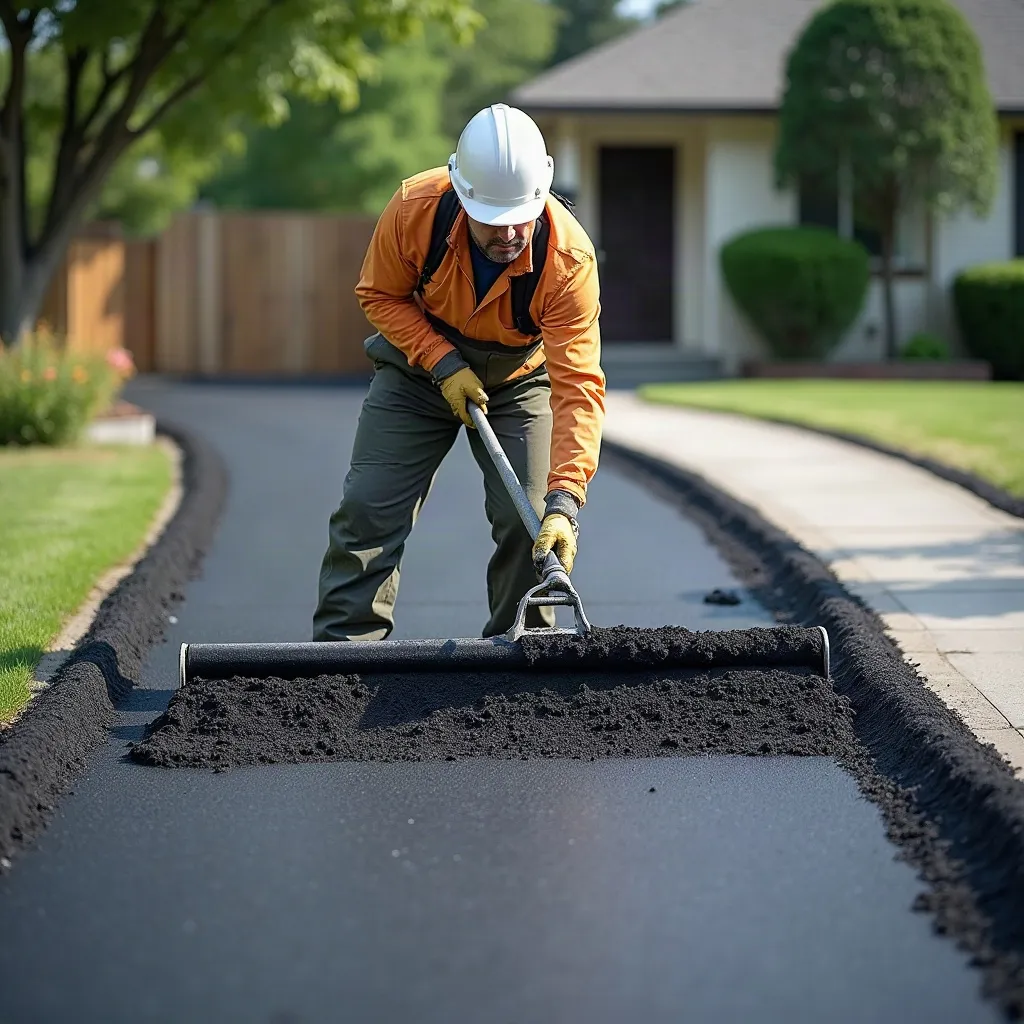
Professional Asphalt Solutions Improve Your Property - Here is The Reason
Professional pavement solutions transform outdoor spaces, improving both functionality and visual appeal. By employing expert techniques and modern equipment, these solutions ensure the careful preparation and installation of various paving surfaces. This focus on precision results in sturdy, enduring outcomes that resist damage and degradation while maintaining visual appeal.
Moreover, quality paving increases asset worth, forming appealing pathways, vehicle routes, and patios that interest potential buyers. A finished paved area improves safety by curtailing obstacles like rough surfaces and heavy mud, furthering a more rewarding outdoor setting.
In addition, seasoned professionals can supply custom designs adapted to individual specifications, guaranteeing that each project coheres with the property's unique character.
Pick the Top Laying Materials for Your Undertaking
In what ways can homeowners find the most appropriate paving materials for their undertakings? Selecting the correct material matters for functionality and visual appeal.
First, property owners should reflect on the particular application of the paved area. For driveways, durable materials like asphalt or concrete are often recommended due to their strength and longevity. In contrast, for patios or walkways, possibilities including pavers or bricks can offer visual appeal and versatility.
Next, atmospheric conditions acts as a important component. Regions with heavy rainfall may benefit from water-permeable substances that make possible for more effective drainage, reducing the exposure of deluge.
Moreover, maintenance needs should be analyzed; some materials necessitate more upkeep than others.
In the end, spending limits will impact the choice. While quality materials may entail a substantial initial cost, they typically deliver lasting savings through strength and diminished maintenance expenses.
Therefore, meticulous review of these variables will empower property owners to make knowledgeable selections.
Asphalt Paving Perks
Asphalt surfacing emerges as a leading option for homeowners seeking durable and affordable solutions for their pathways and driveways. One of its primary advantages is its resilience; asphalt can endure heavy traffic and severe weather conditions, making it perfect for residential use.
In addition, asphalt is reasonably economical in relation to other paving materials, facilitating homeowners to achieve a first-rate appearance without excessive spending. The installation process is also expedient, routinely finished within a day, lessening disruption to daily life.
Additionally, asphalt is simple to maintain, needing just periodic sealing to prolong its service life. These benefits make asphalt paving a practical and intelligent option for enhancing property visual appeal and utility.
Interlocking Paver Perks
Property owners evaluating paving options discover that interlocking pavers give distinct advantages that increase both aesthetics and functionality.
These versatile pavers come in various shapes, colors, and textures, permitting imaginative layout options that can suit any property style. Additionally, interlocking pavers provide outstanding durability, resisting cracking and shifting, which is particularly helpful in regions with varying temperatures.
In addition, their specialized form fosters rapid water movement, diminishing the risk for overflow and terrain damage. This permeability also advances environmental sustainability by allowing rainwater to refill groundwater supplies.
Ultimately, the hassle-free setup and care makes interlocking pavers a practical choice, enabling homeowners to savor their beautiful surface without overwhelming maintenance requirements.
Initial Site Assessment
What factors affect the preliminary site inspection for paving installation? Several crucial points matter during this essential stage. First, the topography of the land is examined to detect any slopes or drainage concerns that could impact the paving process. Next, the current soil conditions are evaluated, as different soil types can determine stability and durability. Additionally, site accessibility is taken into account to plan how equipment and materials will be transported. Local regulations and zoning laws are examined to confirm compliance. Finally, existing structures and vegetation are inspected to account for any required removal or protection. This comprehensive evaluation lays the groundwork for a successful paving project, guaranteeing that all potential challenges are managed from the start.
Installation Processes Outlined
With a thorough site evaluation finished, the paving placement procedure can start.
The opening phase entails site preparation, where any existing materials are taken away and the ground is leveled. Subsequent to this, a base layer is set up, typically made up of rock fragments or crushed stone, which supplies stability and drainage.
Following this, the determined wearing course—such as asphalt or concrete—is placed. This section requires thorough attention to guarantee a smooth finish and true positioning.
After the asphalt surface is installed, it is compacted to increase durability. Finally, curing takes place, allowing the material to solidify properly.
Throughout the undertaking, effective dialogue with the property owner is required to address any concerns and guarantee satisfaction with the final end result.
Surface Maintenance Tips for Long-Lasting Quality
While asphalt areas are designed for strength, ongoing care remains vital to ensure their longevity. Periodic evaluations should be carried out to spot surface damage, holes, or deterioration. Prompt repairs can stop continued deterioration and increase the lifespan of the pavement.
Moreover, maintaining the surface free of debris is important; debris, greenery, and dirt can trap moisture, leading to deterioration. Regular cleaning and occasional power washing support copyright a immaculate appearance and usability.
Applying sealant every few years can protect the surface from weathering and UV damage, while also strengthening its decorative charm.
Ultimately, resolving drainage problems is essential. Quality drainage systems eliminate water accumulation, which can erode the paving material over time.
How to Find a Dependable Paving Contractor
Securing a reputable paving contractor represents an key step for property owners intending to establish or enhance their paving surfaces. To initiate, individuals should collect recommendations from contacts, household members, or area-based companies that have not long ago carried out paving projects. Online reviews and testimonials can also give insights into a contractor's reputation.
Once potential professionals are identified, it is essential to verify their credentials, encompassing licenses and pertinent details insurance. A professional specialist should offer a in-depth written bid that outlines the job scope, materials, and timeline.
Furthermore, asking for references from past clients can help assessing the contractor's reliability and workmanship quality. It's also advisable to inquire about warranties on materials and workmanship.
Ultimately, maintaining open communication and transparency during first meetings can build a trusting relationship, leading to a completed paving job that meets expectations.
Common Questions Posed Often
What is the Duration of a Standard Paving Project to Finish?
A standard asphalt job generally takes one to three days to finish, based on variables such as the size of the project, complexity, weather conditions, and prep work needed. Proper planning can assist in expedite the work effectively.
What Permits Are Required for Paving Installation?
Normally, concrete paving necessitates credentials such as local permits, zoning approvals, and environmental inspections. Rules fluctuate based on location, so consulting jurisdictional officials guarantees adherence with pertinent legal requirements for the initiative.
Is it Possible Perform Paving in Winter or Monsoon-Like Weather?
Paving can be problematic during winter or rainy seasons due to climatic and wetness factors. Cold weather can obstruct proper curing, while excessive rain may cause surface issues, leading to potential enduring harm. Strategic forethought is essential.
What Options Should I Implement if My Pavement Develops Cracks?
When pavement shows fractures, the initial action is to evaluate the damage. Then, clean the area thoroughly, seal the cracks with appropriate filler, and consider expert services to prevent additional damage and maintain protection.
How do I establish if my paving contractor has obtained the required license?
To determine if a paving contractor holds valid professional license, one must authenticate credentials through local licensing boards, demand a copy of their license, and look for insurance protection, ensuring compliance with industry regulations and safety standards.
Report this page