Discover Beacon top Paving Contractor for Parking Lot Paving
Discover Beacon top Paving Contractor for Parking Lot Paving
Blog Article
Paving Solutions: Improve Your Property With Professional Paving Services
Professional paving services provide significant advantages for property enhancement. They not only enhance aesthetics but also increase functionality. Choosing the right materials, such as bitumen or interlocking pavers, can guarantee durability and appearance. The installation process is crucial for achieving lasting results. Yet, many homeowners fail to consider essential maintenance practices that can extend the life of their investment. Understanding these elements is important for making informed decisions about outdoor spaces. What comes next may shock you.
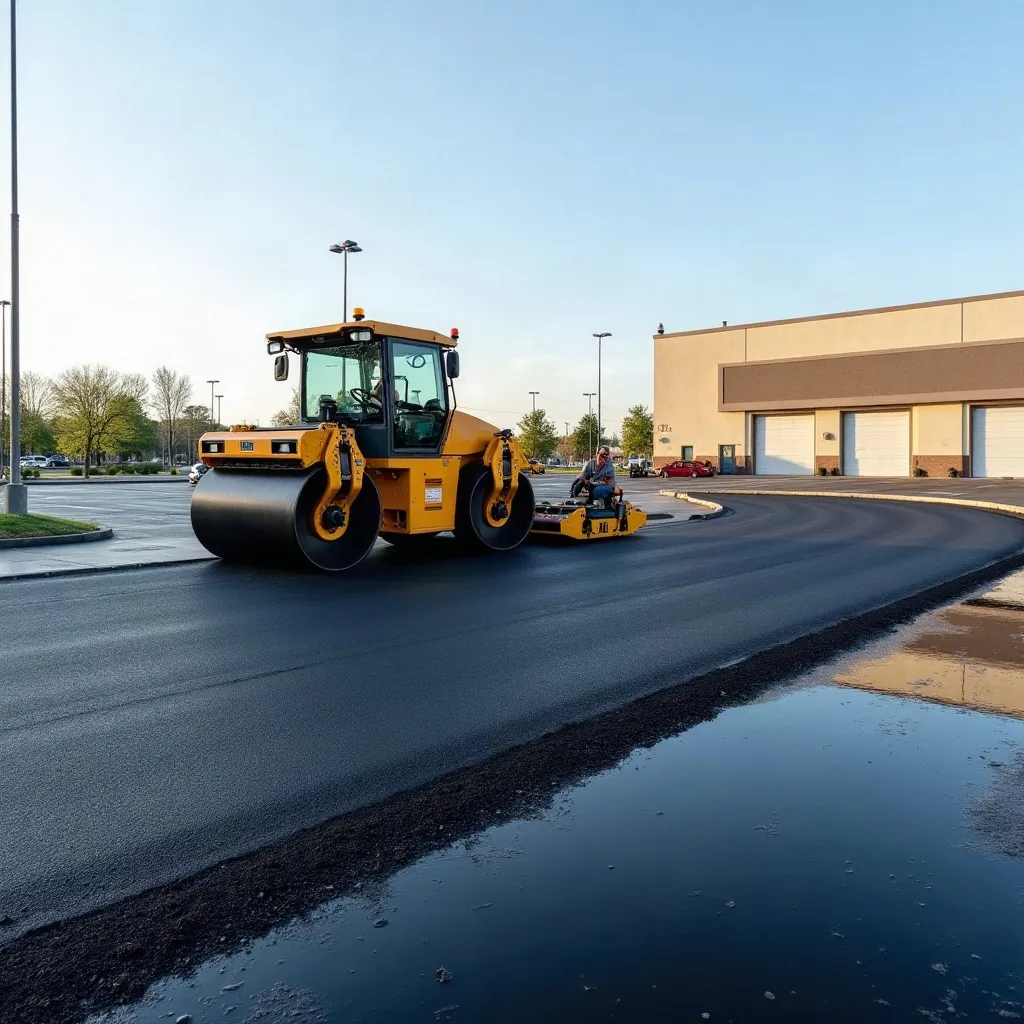
Professional Paving Solutions Transform Your Home
Professional paving solutions transform outdoor spaces, strengthening both functionality and appearance. By using professional methods and state-of-the-art machinery, these offerings ensure the careful groundwork and placement of multiple paving types. This attention to detail results in durable, long-lasting outcomes that resist degradation and damage while keeping visual appeal.
Moreover, professional pavement boosts property value, forming appealing pathways, driveways, and outdoor areas that interest potential investors. A finished paved area strengthens safety by reducing hazards like rough surfaces and thick mire, promoting a more enjoyable outdoor experience.
Additionally, experienced professionals can offer bespoke solutions adapted for individual preferences, guaranteeing that each project matches the property's unique character.
Determine the Top Surface Materials for Your Undertaking
How can property owners select the perfect paving materials for their projects? Selecting the right material is essential for both functionality and aesthetics.
First, property owners should consider the specific use of the paved area. For driveways, resilient materials like asphalt or concrete are often preferred due to their robustness and endurance. In contrast, for patios or walkways, alternatives including pavers or bricks can offer decorative charm and adaptability.
Next, climate has a significant role. Areas with heavy rainfall may gain advantage from porous substances that enable for better drainage, reducing the likelihood of flooding.
Furthermore, maintenance requirements should be assessed; some materials require more maintenance than others.
In the end, budget constraints will sway the choice. While quality materials may entail a considerable upfront expense, they typically deliver lasting savings through durability and diminished maintenance expenses.
Consequently, thoughtful evaluation of these factors will direct property owners to make informed choices.
Asphalt Paving Pros
Asphalt paving is a top option for homeowners seeking durable and affordable solutions for their pathways and driveways. One of its primary benefits is its resilience; asphalt can endure heavy traffic and harsh weather conditions, making it perfect for residential use.
Furthermore, asphalt is moderately priced against other paving essential resource materials, helping homeowners to realize a outstanding appearance without emptying their pockets. The installation process is also swift, frequently completed within a day, curbing disruption to daily life.
Furthermore, asphalt is simple to upkeep, needing just regular sealant applications to prolong its lifespan. These benefits make asphalt paving a practical and smart investment for enhancing property aesthetics and functionality.
Interlocking Paver Strengths
Property owners looking at paving choices will find that interlocking pavers deliver significant advantages that strengthen both visual appeal and practical use.
These flexible pavers come in various shapes, colors, and textures, allowing for creative design possibilities that can complement any property style. Additionally, interlocking pavers offer exceptional durability, avoiding cracking and shifting, which is particularly advantageous in regions with changing temperatures.
Moreover, their distinctive structure enhances efficient water drainage, minimizing the risk of water damage and soil loss. This porosity also contributes to environmental sustainability by allowing rainwater to replenish groundwater supplies.
In the end, the uncomplicated setup and upkeep makes interlocking pavers a practical choice, allowing homeowners to appreciate their beautiful surface without excessive upkeep.
First Site Inspection
What considerations influence the initial site evaluation for paving installation? Several important elements matter during this vital stage. First, the topography of the land is analyzed to detect any slopes or drainage problems that could interfere with the paving process. Next, the current soil conditions are assessed, as different soil types can influence stability and durability. Additionally, site accessibility is reviewed to determine how equipment and materials will be delivered. Local regulations and zoning laws are examined to guarantee compliance. Finally, existing structures and vegetation are assessed to account for any required removal or protection. This detailed evaluation establishes the basis for a successful paving project, guaranteeing that all potential challenges are handled from the start.
Installation Stages Explained
With a comprehensive site assessment finished, the paving placement procedure can start.
The initial stage comprises ground readiness, where any old materials are stripped away and the ground is leveled. Beyond this, a base layer is fitted, typically constituted by loose rock or crushed stone, which creates stability and drainage.
Next, the selected surfacing option—such as asphalt or concrete—is laid down. This stage requires careful application to guarantee a even surface and proper alignment.
After the paving is in place, compaction is performed to strengthen durability. Finally, the curing process starts, permitting the material to set correctly.
During the entire process, strong communication with the property owner is vital to handle any concerns and ensure approval with the final result.
Paving Maintenance Tips for Durability
Even though asphalt areas are created for durability, consistent upkeep is important to guarantee their extended life. Periodic evaluations must be executed to detect damage, deterioration, or surface degradation. Swift repairs can stop further damage and increase the useful life of the asphalt.
Additionally, maintaining the surface clean is crucial; debris, leaves, and dirt can hold moisture, causing deterioration. Regular sweeping and occasional power washing help preserve a clean appearance and functionality.
Applying sealant every few years can maintain the surface from weathering and UV damage, while also improving its aesthetic appeal.
Ultimately, resolving drainage problems is significant. Proper drainage systems prevent water collection, which can weaken the paving material over time.
How to Locate a Trustworthy Paving Contractor
Locating a dependable paving contractor is a vital step for property owners working to install or enhance their paving surfaces. To commence, individuals should ask for recommendations from acquaintances, loved ones, or neighboring enterprises that have in recent times completed paving projects. Online testimonials and feedback can also deliver insights into a contractor's reputation.
Once potential contractors are found, it is vital to verify their certifications, including licenses and insurance. A professional contractor should present a thorough written estimate that specifies the work scope, materials, and timeline.
Moreover, asking for references from clients can help evaluating the contractor's dependability and quality of work. It's equally recommended to question warranties on workmanship and materials.
In the end, promoting transparent communication and candor during first discussions can establish a dependable partnership, ultimately resulting in a completed paving undertaking that satisfies expectations.
Common Questions Posed Often
How much time Does a Typical Paving Project Take to Complete?
A typical paving project usually requires one to three days to complete, depending on variables such as the project's size, complexity, weather conditions, and prep work needed. Proper planning can help expedite the process efficiently.
What Permits Are Required for Paving Installation?
Typically, paving installation necessitates licenses such as local construction permits, zoning clearances, and environmental assessments. Rules vary by area, so consulting municipal officials ensures compliance with required legal standards for the project.
Is Paving Feasible During Winter or Precipitation-Heavy Periods?
Paving can be problematic during winter or rainy seasons due to temperature and moisture concerns. Cold weather can delay proper curing, while excessive rain may cause surface issues, leading to potential long-term damage. Deliberate strategizing is essential.
What Actions Ought to I Take if My Driveway Becomes Cracked?
If pavement develops fractures, the initial action is to evaluate the damage. Next in line, clean the area completely, seal the fissures with appropriate filler, and think about expert services to avoid additional damage and maintain protection.
What ways can I use to check whether my paving contractor is officially certified?
To ascertain if a paving contractor holds valid professional license, one must verify their credentials through local licensing boards, demand a copy of their license, and check for insurance coverage, guaranteeing compliance with industry regulations and safety standards.
Report this page